
While larger zooms like Canon’s RF24-105mm F2.8 L IS USM Z and RF70-200mm F2.8 L IS USM Z are perfect for a variety of video based productions (they are the workhorse lenses we use on our Cinema EOS C400 & C80 cameras for our interview based projects), there are many times when having smaller zoom lenses makes more sense. Especially when it comes to capturing locations & b-roll for projects.
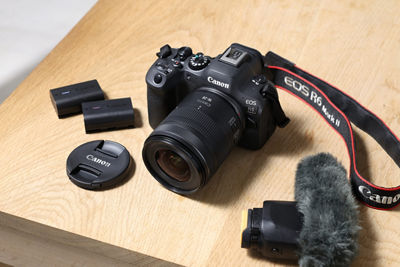
That said, when we do switch to lightweight, compact zooms what we want first are fast lenses that open up to an F2.8 throughout their entire focal length range. We also want zoom lenses that have excellent image quality (comparable to L-series lenses), have built in image stabilization and are weather resistant so they can be used in almost any shooting environment. That’s where Canon’s RF16-28mm & RF28-70mm F2.8 IS STM lenses come in.
The RF16-28mm F2.8 IS STM is a full frame wide-angle zoom. The RF28-70mm F2.8 IS STM is a full frame mid-range zoom. Together, they are a great, cost-effective lens combination for a wide range of video-based applications. They are also equally at home for stills-based projects when used with EOS R System cameras like the EOS R8, R7, R6 Mark III, R5 Mark II and the EOS R5 C. In addition, many of Canon’s EOS-R and EOS-C based cameras also have the ability to crop to an APS-C or Super 35mm field of view which allows you to have further effective reach, when needed, with both of these lightweight zoom lenses.
Size & Weight
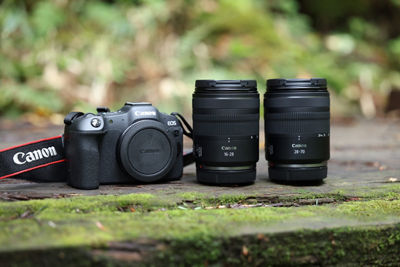
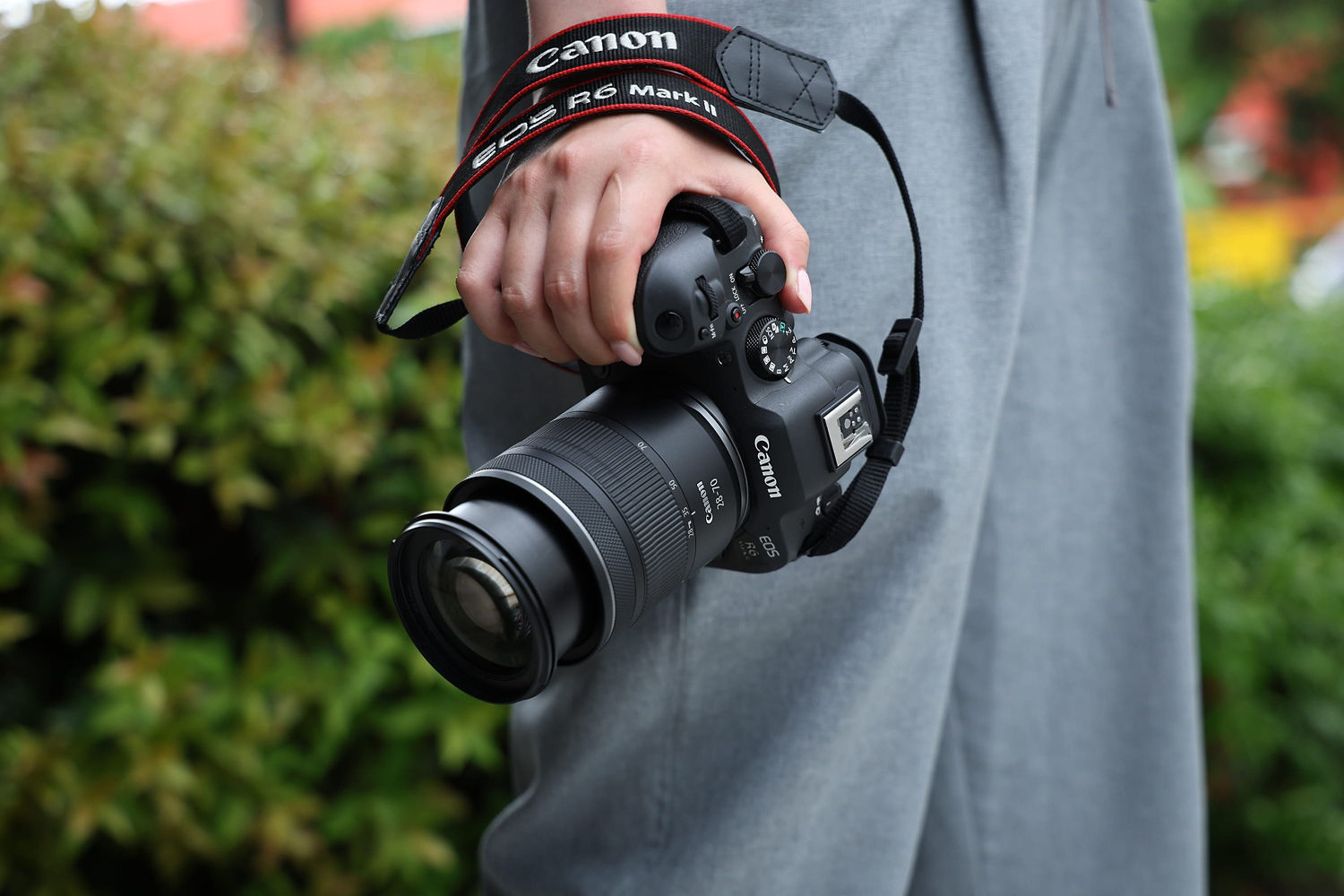
As already mentioned, both lenses are small and lightweight. They are physically almost identical in size and each lens weighs approximately one pound. The 16-28mm F2.8 weighs 445 grams, while the 28-70mm F2.8 weighs just 49g more at a weight of 494 grams. This means that you can shoot all day long without fatigue which is ideal when capturing ongoing video-based content.
Constant F2.8 Aperture
With the advantages of the Canon RF mount and the benefit of electronic distortion correction, these large-aperture zoom lenses not only have a fixed F2.8 maximum aperture throughout their entire zoom range but capture extremely sharp images with L-series like quality.
Optical Design
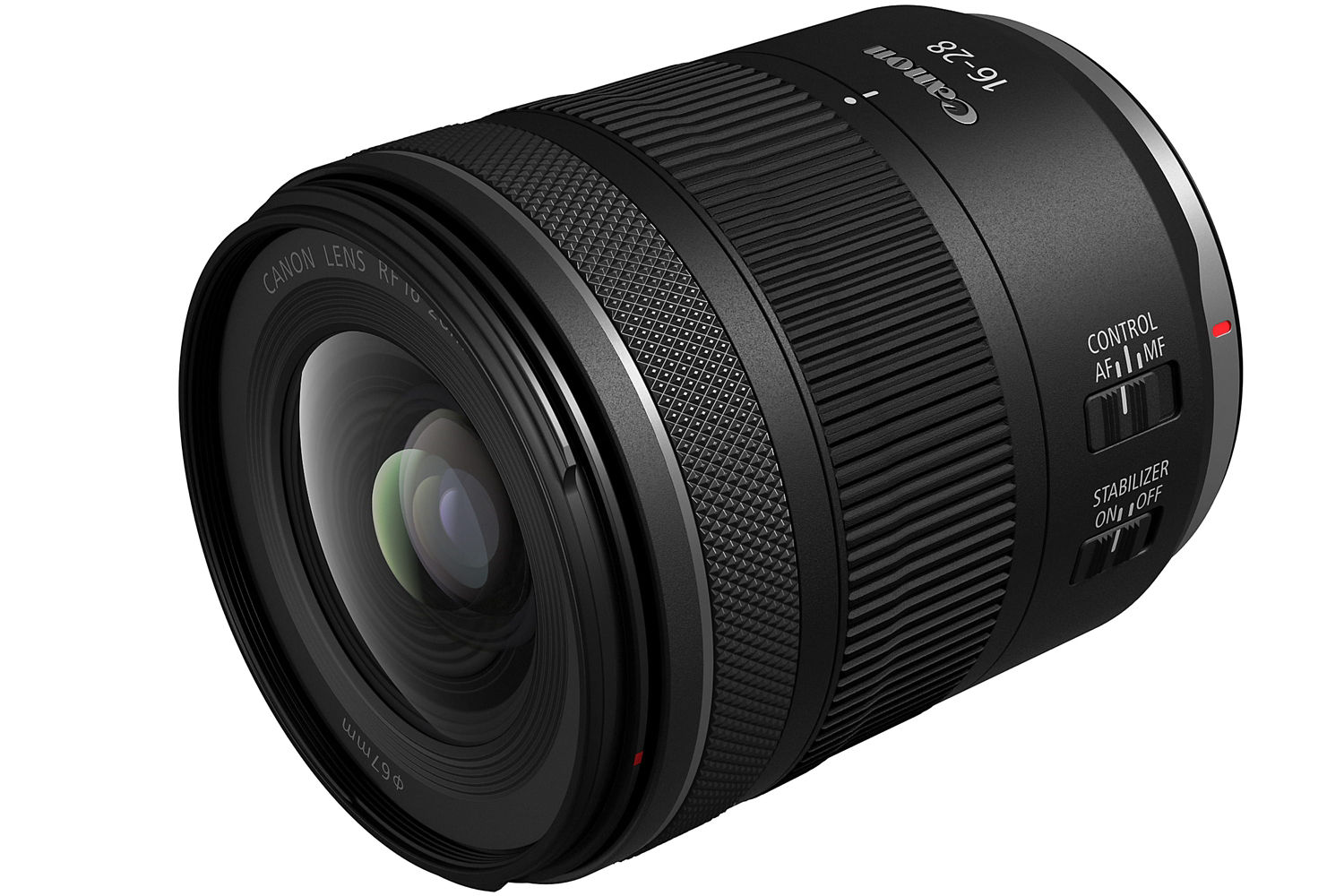
The optical quality of these lenses starts with Ultra-low Dispersion (UD) elements. The large-diameter UD element in the front of each lens element group is a unique configuration previously found only in L lenses. This configuration effectively corrects chromatic aberration, reduces the weight of the front lens element group, and contributes to ease of use by suppressing the change in the center of gravity felt by the user when changing the zoom range.
Image Stabilization
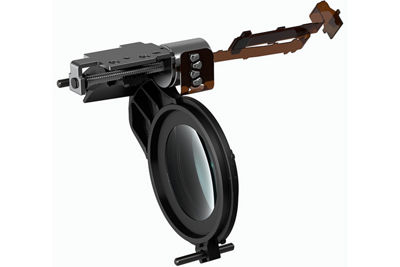
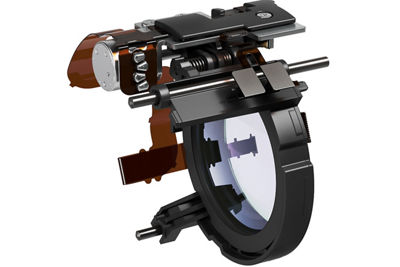
Both the 16-28mm F2.8 and 28-70mm F2.8 use a recently designed Image Stabilization unit which is another reason the lenses are so lightweight and compact. This new optical IS unit provides 5.5 stops of optical, in-lens image stabilization. When used with cameras equipped with an in-body stabilizer you can achieve a coordinated control effect of 8.0 stops of shake correction at the center of the image, and (with the 16-28mm lens) 7.5 stops at the corners, making low-light hand-held shooting possible. Also, you can use a tripod with the image stabilization function turned on.


Autofocus
The leadscrew-type (as opposed to a gear-type), STM focusing motors on both lenses are extremely fast and extremely quiet. This is particularly important when capturing video as oftentimes you are also capturing audio. The near silent AF system means you don’t have to worry about AF noise being picked up by nearby microphones.
Weather Sealing
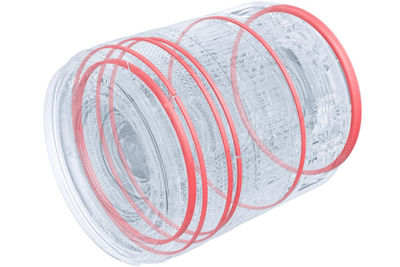
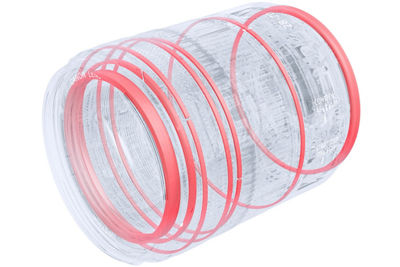
Both the 16-28mm F2.8 and RF28-70mm F2.8 lenses feature dust-resistant and weather-resistant construction (another feature borrowed from the L-series lens line). This means they are well suited for a variety of shooting conditions including when used in harsh environments.
Use Cases
In our productions, we generally use the 16-28mm F2.8 and the 28-70mm F2.8 when it’s time to capture locations (interior & exteriors), and b-roll for our projects. Whether we are using the EOS C80, the EOS R5 C or the EOS R5 Mark II cameras, these two zooms are our go-to lenses for the above mentioned applications.
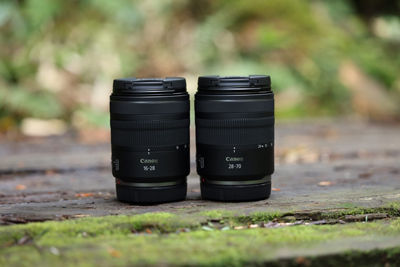
The RF16-28mm F2.8 IS STM is mostly used for establishing & location shots and often lives on a gimbal with a camera like the EOS R5 C for b-roll capture. This lens is also ideal for drone based applications when using mirrorless cameras like the EOS R5 Mark II and the EOS R5 C. The combination of their small size & weight and excellent auto focus capabilities make them ideal in this application.
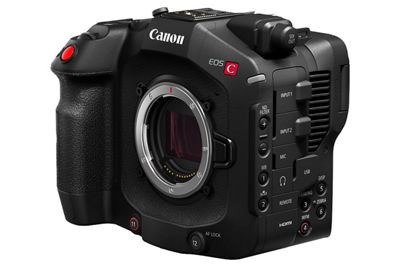
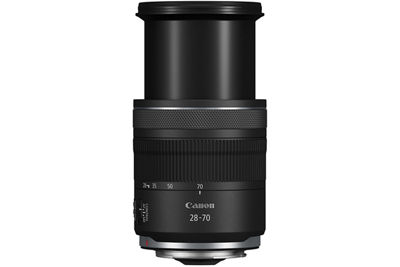
The RF28-70mm F2.8 IS STM is also well suited to gimbal-based applications but for our productions it normally lives on the EOS C80 camera for tripod, hand held and slider based capture. In fact, when not shooting interviews, the 28-70mm F2.8 lens is the one that is most often on our EOS C80 camera.
The RF16-28mm F2.8 IS STM & RF28-70mm F2.8 IS STM are also ideal as main lenses for content creators and anyone looking for sharp, lightweight zooms that are designed for both stills and video based applications. They are also great for events, vlogging and travel & documentary based projects.

Conclusion
While lenses like Canon’s RF24-105mm F2.8 L IS USM Z & RF70-200mm F2.8 L IS USM Z are the core workhorses of our productions, we almost always switch to the smaller, lighter 16-28mm F2.8 & 28-70mm F2.8 lenses when capturing b-roll and location based footage.
We occasionally use Canon’s RF VCM L-series prime lenses when we need even faster glass for our productions, but the compact size, weather sealing, almost silent autofocus and L-series like quality images we get from the RF16-28mm F2.8 IS STM & RF28-70mm F2.8 IS STM zooms make them a perfect compliment to the other RF lenses we use in our productions, and they go with us on every project.
All Canon contributors are compensated and actual users of Canon products promoted.


Thanks for signing up!
The application has encountered an unknown error. Please try again in a few minutes!
By clicking Sign Up, you are opting to receive promotional, educational, e-commerce and product registration emails from Canon USA. You can update your preferences or unsubscribe at anytime.